

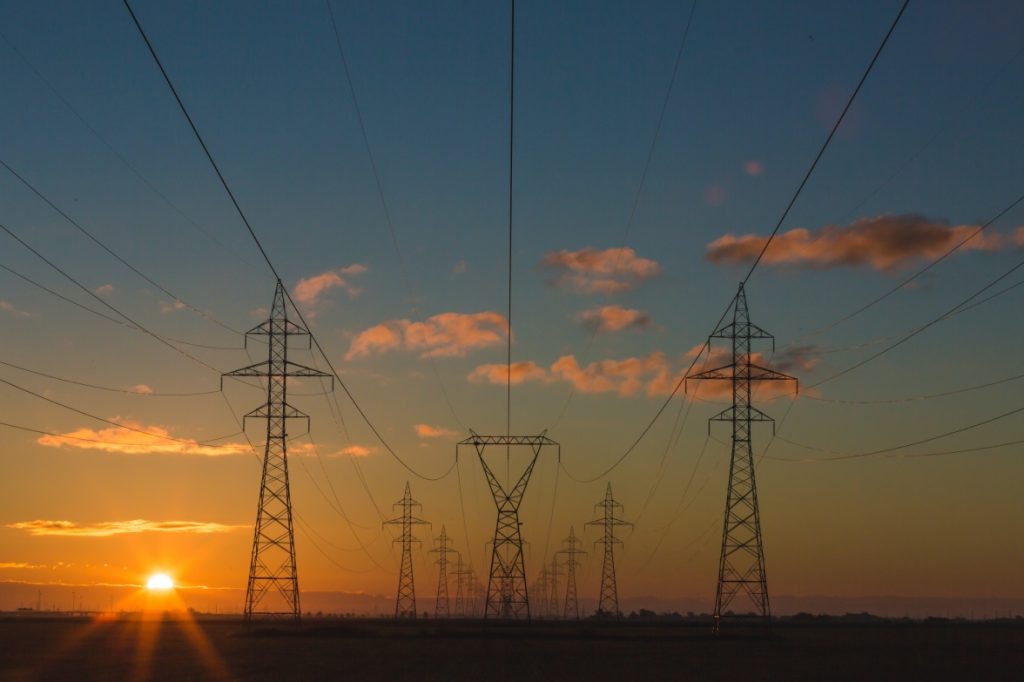
With the goal of cutting the power peaks in Dalarna’s electricity grid with 50 megawatts during high-load hours, corresponding to the average electricity consumption for approximately 22,000 households during a day, the power 4Dalarna works to create the conditions for a more flexible and robust electricity system. Through knowledge enhancement, coordinated planning and practical pilot projects, the project supports local and regional network owners and other actors in developing and understanding solutions to control, reduce and even out electricity use.
Dalarna needs to meet a rapidly growing electricity demand and this requires both innovation and collaboration. Effect4Dalarna aims to increase knowledge, strengthen cooperation and pave the way for flexible solutions in the electricity grids. With a total budget of about seven million kroner, the project started in 2023 and was expected to last until the spring of 2026. Important parts remain, so right now the project management is writing a request for an extension to the financiers. A new network development planning process and communication efforts on power fees are some important areas that need more time.
Five work packages – five steps towards the future electrical system
Samarkand is responsible for the coordination, together with the County Administrative Board, Region Dalarna and procured consultants from RISE and Indlast. The work includes both strategic management and continuous transfer of experience within the project group.
Flexibility in the electrical system
An important work package is about mapping and deepening the understanding of flexibility in the electricity system – a key to meeting the power challenges of the future.
As the electrification of industry, transport and housing increases, the pressure on both local and regional electricity grids grows. Flexibility is about using electricity smarter, for example by moving or reducing consumption when the network is heavily loaded. Companies, property owners and households can contribute by controlling their electricity use, storing energy or temporarily reducing their power.
For the electricity grid companies, this means new opportunities to balance the electricity grid without always having to expand. Through Effect4Dalarna’s work, the region’s actors gain increased knowledge in how flexibility can be used as a tool for a robust and sustainable electricity system where we use our resources in a smarter way.
Method development through pilots
Here, concrete solutions are tested in reality. Dalarna’s electricity network companies are too small to do everything themselves, the idea of this work package is to divide the pilot projects and then learn from each other. It is therefore based entirely on the network companies’ own development needs. In Ludvika, VB Elnät has led the work to work to better use data from electricity meters. Another example is local electricity production where Falu Elnät formed the hub for the development of solar cell forecasts. Right now, another pilot has been started in Svältbacken, where Hedemora Elnät takes on a method for contract models in the event of a power shortage. To help us, we have electrical experts from both RISE and Indlast. “There is an enormous amount happening in the entire energy area and we need to help keep ourselves up to date, test new methods, tools and working methods,” says Linda Varga, project manager
Co-created energy planning
In order to meet the electricity needs of the future, better cooperation is required between electricity grid companies and community planners. In this work package, the project works to develop forecasts and scenarios for electricity and power needs, which, among other things, form the basis of Dalarna’s roadmap for energy systems. How do we think it will look like in 2030 and 2045 and what decisions do we need to make here and now to meet this?
Another important part is the work with network development plans (NUP), which is a new legal requirement from 2025. If used correctly, these plans can play a central role in making network challenges visible, coordinating investments and promoting dialogue between municipalities and electricity grid companies. The project has coordinated dialogues and exchange of experience, knowledge-raising efforts between community planners and network companies and developed a common year wheel to clarify roles, responsibilities and times in the planning process.
Energy and power management
When power tariffs are introduced in Sweden by 2027 at the latest, both households and companies need to understand how it affects them. Effekt4dalarna has mapped which different models the network companies have chosen and carried out knowledge sharing with those who have already started the work. Here, DalaEnergi in Leksand holds the leadership role in collaboration with Malung-Sälens Elnät and Ellevio. The next step will be a workshop with the companies’ communicators to design information material for electricity users.
– If we can coordinate an information campaign for the whole of Dalarna, we can reach out even better, says Marit Ragnarsson, who represents the Dalarna County Administrative Board in the project.
Next step
The project is now running at full speed. There are a lot of possible areas of development to develop further. Right now, information is being awaited from Energiforsk about a further development of the pilot for tariff models. The hope is that Lunna develops a digital tool as a “counting spin” where users can get advice on how they can influence their electricity costs.
The electricity issue and the energy transition will certainly continue to be high on the agenda for many years to come.
– We have come a long way, but more remains. It’s not just about technology – collaboration and understanding are crucial for Dalarna to meet the energy needs of the future, says Linda Varga, project manager.
Facts:
High Voltage Valley (HVV) leads The Effekt4dalarna project In close collaboration with Dalarna’s electricity grid company, Region Dalarna and the Dalarna County Administrative Board. Research institutes, industry organizations and other actors are also linked to the different parts of the project. The project is financed by the European Regional Development Fund (ERDF), Region Dalarna and Dalarna’s local and regional electricity grid company.
What is a flexibility market?
A flexibility market is a digital trading place where electricity grid companies can buy and sell temporary capacity in the network. Actors who can reduce or move their electricity consumption, increase their production or use stored energy are paid to contribute to balancing the network.
What is a Network Development Plan (NUP)?
From 2025, all electricity network companies must produce a network development plan (NUP) according to requirements from the Energy Market Inspectorate.
The purpose of NUP is to:
Provide an overview of future needs in the power grids
describe planned actions and investments
Create transparency towards municipalities, companies and other actors
Contribute to better coordination between network expansion and community development
The NUP must be revised every two years and made available to relevant actors.
You can find Dalarna’s NUPs at Energy Intelligent Dalarna
What are power tariffs?
Power tariffs mean that electricity customers pay for how much electricity they use at the same time – not just how much electricity in total. The aim is to even out the load in the electricity grid, reduce power peaks and avoid expensive network reinforcements.
All electricity grid companies in Sweden must introduce power tariffs by January 2027, but they will not look the same.
- Focus day 2026 – collaboration and opportunities in working life
- It was just the year started!
- Samarkand leads a new regional development project to strengthen energy resilience in the northern middle…
- Course in improvement and development methods – spring 2026
- Cybersecurity in focus when Powerful Innovation Days was implemented – for 16 years